About ten years ago, I had my biological age measured. I was in my mid-40s, fit, slim, and careful about what I ate. When I got the results, I was happy to learn that I was biologically younger than my real age — about six years younger, if I remember correctly.
Today, I am not sure what my biological age is. Since then, I have gained weight, exercised less, lived through several heatwaves, and experienced a very traumatic event — the suicide of my wife. I now feel all of my 55 years, and I wouldn’t be surprised if I am biologically older, too.
If so, I wouldn’t be the only one. In recent years, scientists have noticed a worrying trend: people everywhere are ageing faster than before. Those born after 1965 seem to age biologically more quickly than people born earlier, and diseases that were once mostly seen in old age are now happening in younger people.
“Cancers are increasing in younger age populations, people under 40 years of age have more heart attacks, more diabetes,” says Paulina Correa-Burrows, a social epidemiologist at the University of Chile in Santiago. “Why? My answer is because we’re ageing faster.”
Some reasons are unavoidable, but many can be changed. So, how can we try to keep our biological age similar to our real age?
How Ageing Is Measured
The best way to see how fast someone is ageing is by measuring their biological age, and then checking again months or years later. According to Antonello Lorenzini from the University of Bologna in Italy, the most accepted way to do this is with epigenetic clocks, which study small chemical changes on DNA. They are not perfect, but they are useful for comparing who is ageing faster or slower.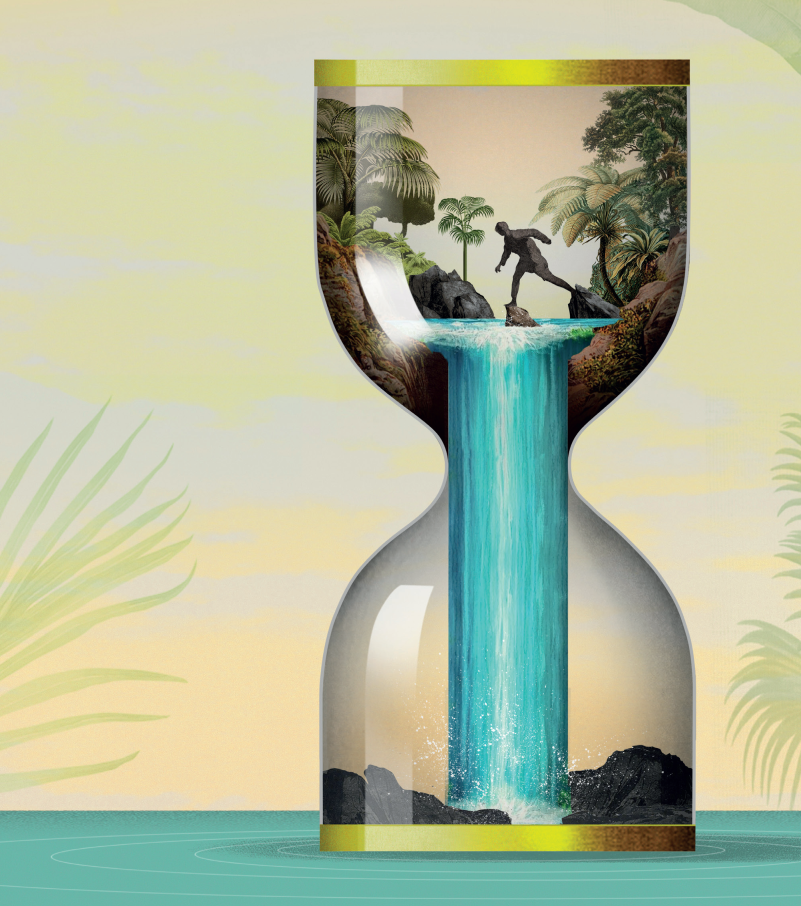 Chronological age (how many years you have lived) does not always match biological age. Some people are more than 10 years older or younger biologically. Unlike chronological age, biological age can also go down, not only up.
Obesity and Faster Ageing
Signs of accelerated ageing were first noticed in obesity research. In 2016, a Spanish research team led by Beatriz Gálvez found that the biological effects of obesity are very similar to those of ageing. Both lead to inflammation, organ damage, and metabolic problems.
The researchers wondered if obesity might cause early ageing, which then causes early diseases. They created the term "adipaging" and wrote that obese adults may actually be “prematurely aged individuals.”
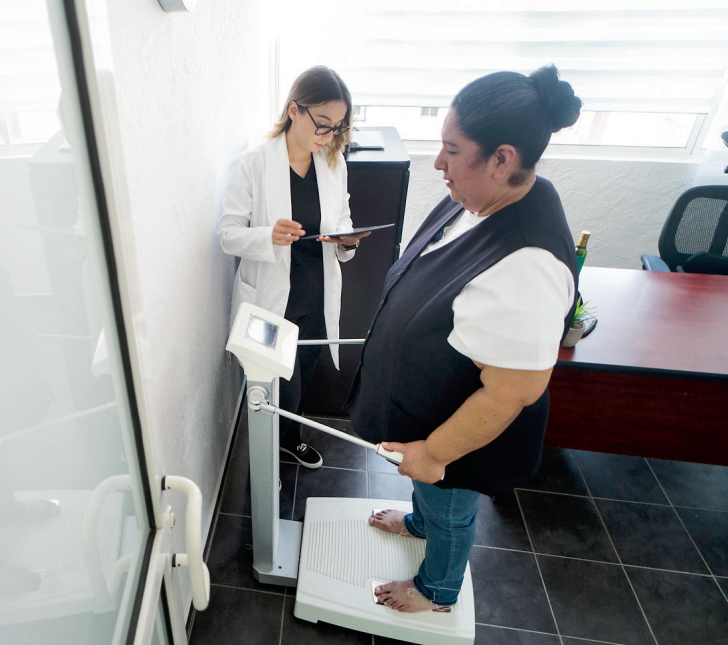 Later, Lorenzini and his team compared the main scientific causes of ageing with the effects of obesity and found strong similarities, including changes in how cells communicate and how they produce energy. This supports the idea that obesity speeds up the ageing process. It may even shorten life expectancy by several years.
More studies show similar results. For example, people who gained a lot of weight between youth and middle age were found to have aged biologically more than they had aged in real years — sometimes more than 10 years.
Clear Evidence in Young Adults
A study in Chile followed about 1000 people from birth to their late 20s. When 205 of them were tested for biological age:
- Those who stayed at a healthy weight were slightly biologically younger
- Those obese since their teens were on average 4.2 years older biologically
- Those obese since early childhood were 4.7 years older biologically
Some even had a biological age above 40, despite being around 30.
“We were expecting to find that, but we never expected the magnitude of difference that we saw in some individuals,” says Correa-Burrows. “Some of them had a 50 per cent gap between their biological age and the chronological age, which is huge.”
Accelerated ageing is also studied outside obesity research — for example, in adult survivors of childhood cancer, who often show early frailty and health problems usually seen in older people.
The Cancer Connection
“Cancer used to just be considered a disease of ageing,” says Jennifer Guida. “Now people are being diagnosed with colon cancer in their 30s, breast cancer in their 30s. Why is that? Perhaps some of the processes of ageing are acting earlier and causing ageing to accelerate, which then causes early-onset cancer.”
This idea has encouraged new research. Early findings from UK Biobank blood samples show that people born after 1965 are 17% more likely to show accelerated ageing signs than those born earlier. Accelerated ageing also increased the risk of early-onset lung, digestive, and uterine cancers.
What Is Causing Faster Ageing?
The main cause appears to be obesity, which has increased dramatically worldwide. By 2030, about 1 billion people may be obese. But obesity may not be the only factor. Other contributors include:
- chronic stress and trauma
- lack of physical activity
- too many calories and processed foods
- pollution
- heatwaves
- poor sleep
All of these may place stress on the body and interfere with its repair systems.
Can We Slow Down Ageing?
Fortunately, biological age can be reduced. Simple lifestyle changes make a big difference:
- regular exercise is one of the strongest tools
- eating fewer excess calories
- getting enough sleep
- avoiding smoking and alcohol
- staying mentally and emotionally balanced
Some medicines, like Ozempic, show promise, but researchers say it is too early to use them only for anti-ageing.
“There are ways to synchronize both clocks or even put your biological clock below your chronological clock,” says Correa-Burrows. “Most of the interventions are based on changes in your lifestyle: exercising and changing your diet.”
I understand the message — it’s time for me to lose weight and be active again. I probably won’t become biologically six years younger again, but simply getting back to being 55 sounds good enough.
Source URL: New Scientist